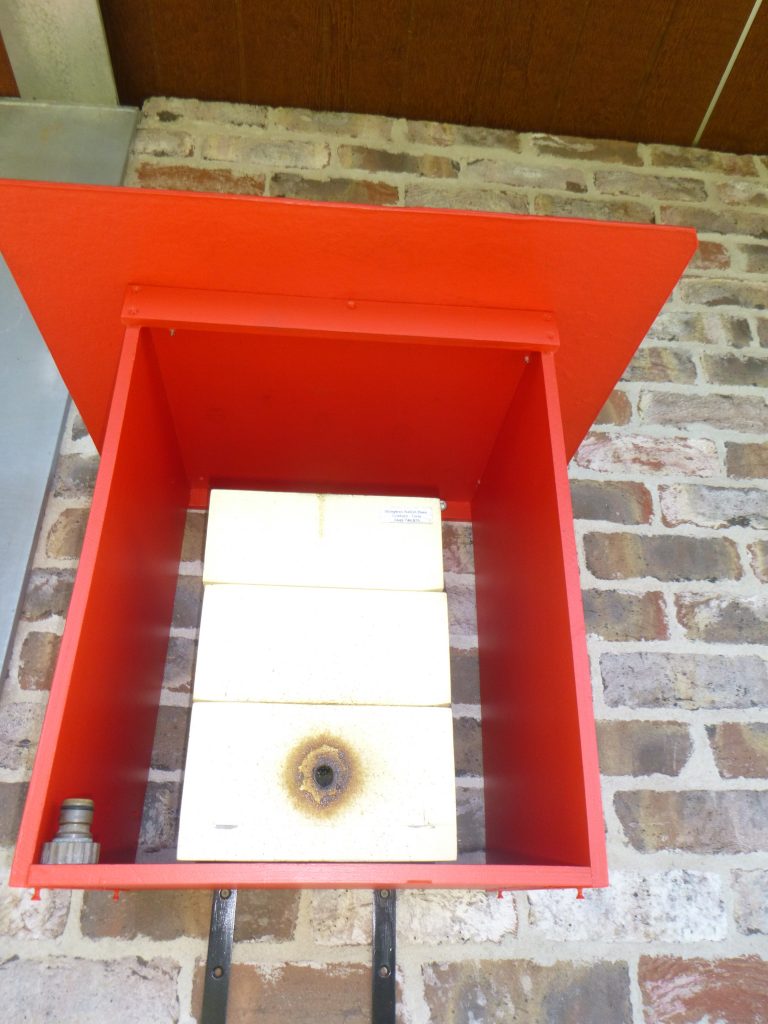
Native stingless bees at our Horsley Park early learning centre
July 10th, 2026
Tucked into the garden at Horsley Kids is a hive most visitors walk straight past. Inside it live 5,000 native stingless bees, and they might be the smallest educators at our early learning centre in Horsley Park.
Why native stingless bees
Australia has around 2,000 native bee species, and a small number of them have no sting at all. That makes them a safe fit for an early learning setting. Our children can stand close to the hive, watch the entrance and follow individual bees out to the flowering plants in our garden without any risk of being stung. You can read more about Australia’s native bees at Aussie Bee, a long running resource on native bee research and keeping.
Honey bees get most of the attention, but native stingless bees are quiet, gentle pollinators that have been doing this work in western Sydney for far longer than any of us.
What the children actually do with the bees
The hive is a working part of our program, and the learning it sparks looks different every week. Children track which flowers the bees visit and notice how activity changes with the weather. On cold mornings the entrance is still. By mid morning on a sunny day it’s busy, and the children have learnt to predict this before the educators say a word.
The bees also pollinate our vegetable garden, so children see a full cycle play out in one small yard. Bees visit the flowers, the flowers become vegetables, the vegetables go to our kitchen, and the scraps go back to the compost that feeds the garden. If you’d like the rest of that story, we’ve written about it in what children learn from chickens, compost and a vegie garden.
Small creatures, big questions
Our centre is inspired by the Reggio Emilia approach, where the environment itself is treated as a teacher. The hive is a perfect example. Nobody sits children down for a lesson about bees. The bees are simply there, and the questions arrive on their own. Why don’t these ones sting? Where is the queen? What happens to the hive in winter? Educators follow those questions wherever they lead, into drawing, counting, storytelling and long conversations at the fence line. We’ve explained how this works across our whole program on our about Horsley Kids page.
Part of something bigger
The hive sits alongside our vegetable garden, composting, recycling program and pet chickens as part of daily sustainability practice at the centre. Caring for the environment is written into the national quality framework that guides Australian early learning services, and we think the best way for young children to learn it is to live it. A child who has watched a colony work all year treats the natural world differently. They slow down near flowers. They check on the hive after a storm. That care is the whole point.
Questions families ask about our bees
Are the bees safe around children?
Yes. Our hive is home to Australian native stingless bees, which have no functional sting. Children can observe the hive up close safely, always with educators nearby.
Do the children handle the bees or the hive?
Children observe rather than handle. They watch the hive entrance, follow bees around the garden and take part in conversations and projects the bees inspire. The hive itself is cared for by adults.
What do the bees add to the learning program?
The bees pollinate our vegetable garden and give children a living example of how nature works, from pollination through to the food on their plates. They also spark child led projects in line with our Reggio Emilia inspired approach.
Can we see the bees when we visit?
Absolutely. The hive is one of the first things families ask about on tours, and on a warm day you’ll see the colony hard at work. Contact us to arrange a visit.